

By, Ashley Rutledge
Juvenile Idiopathic Arthritis (JIA) is the most common type of arthritis affecting children and teenagers. JIA is an autoimmune disease that includes chronic conditions characterized by joint inflammation, swelling and pain. While there is currently no cure for JIA, early diagnosis and a comprehensive treatment plan can help manage symptoms, reduce inflammation, and support a child’s ability to participate in everyday activities. Treatment may include lifestyle modifications and physical therapy to help maintain strength, flexibility, and joint function.
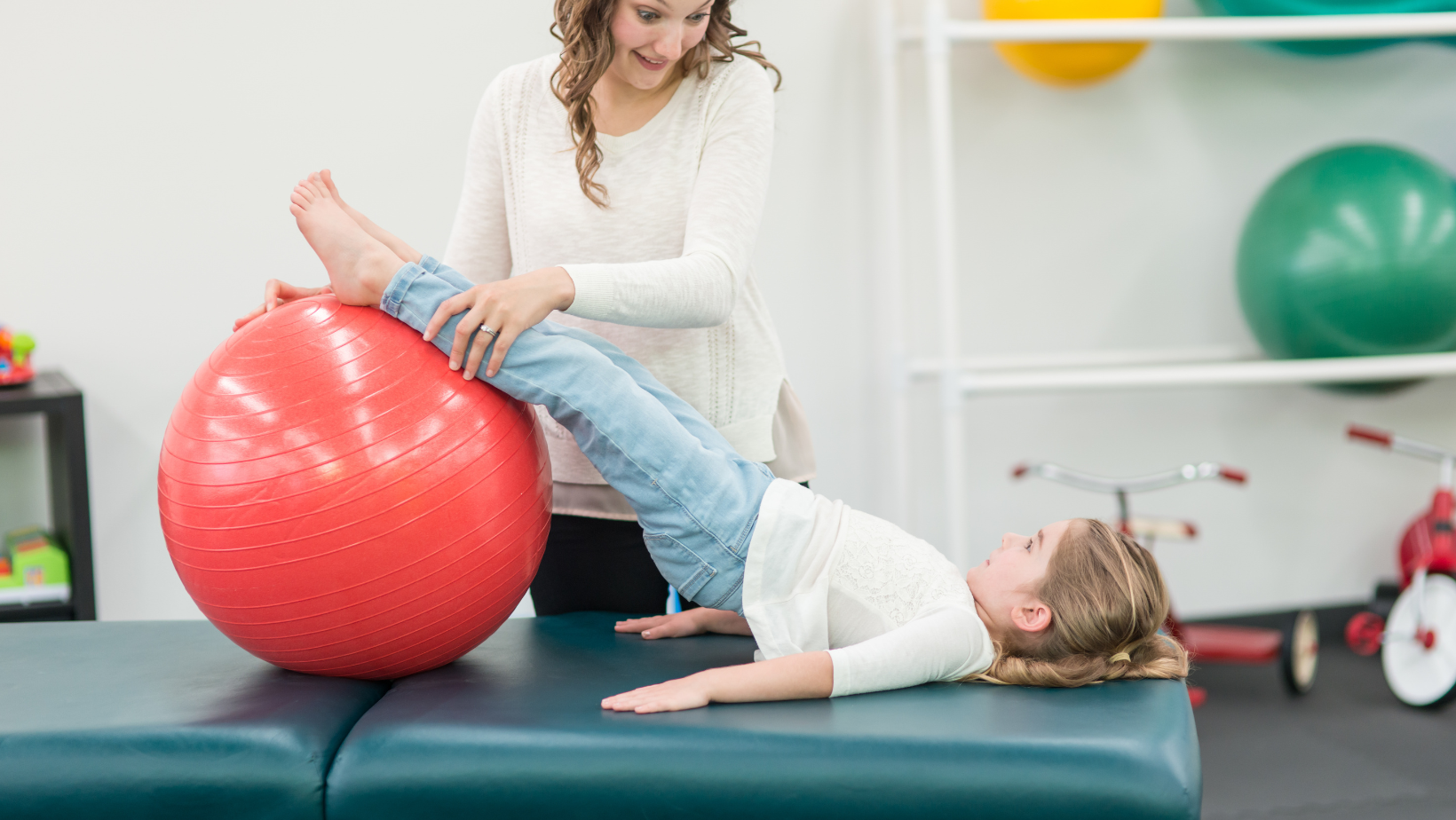
Physical therapy can play an important role in helping children and teens with JIA stay active and exercise safely, both of which are essential for reducing symptoms such as pain and stiffness. Physical therapists will develop an individualized treatment plan that may include stretching, strengthening exercises, mobility training, posture education, and strategies to protect joints during everyday activities. They also help restore function, improve mobility, and support long-term joint health.
Staying physically active is an important part of managing JIA. A physical therapist can guide children and their families in choosing appropriate activities that promote movement while minimizing stress on affected joints. They can also provide recommendations for school participation, sports, and home exercises to help children remain engaged and independent.
Physical therapists are movement experts who help improve quality of life through hands-on care, personalized exercise programs, and patient education. Working alongside physicians and other healthcare providers, physical therapists can help children with JIA build confidence, maintain independence, and achieve their goals in life.
To schedule an evaluation, contact your local CACC Physical Therapy clinic directly or visit cacc-pt.com to find a location near you.