
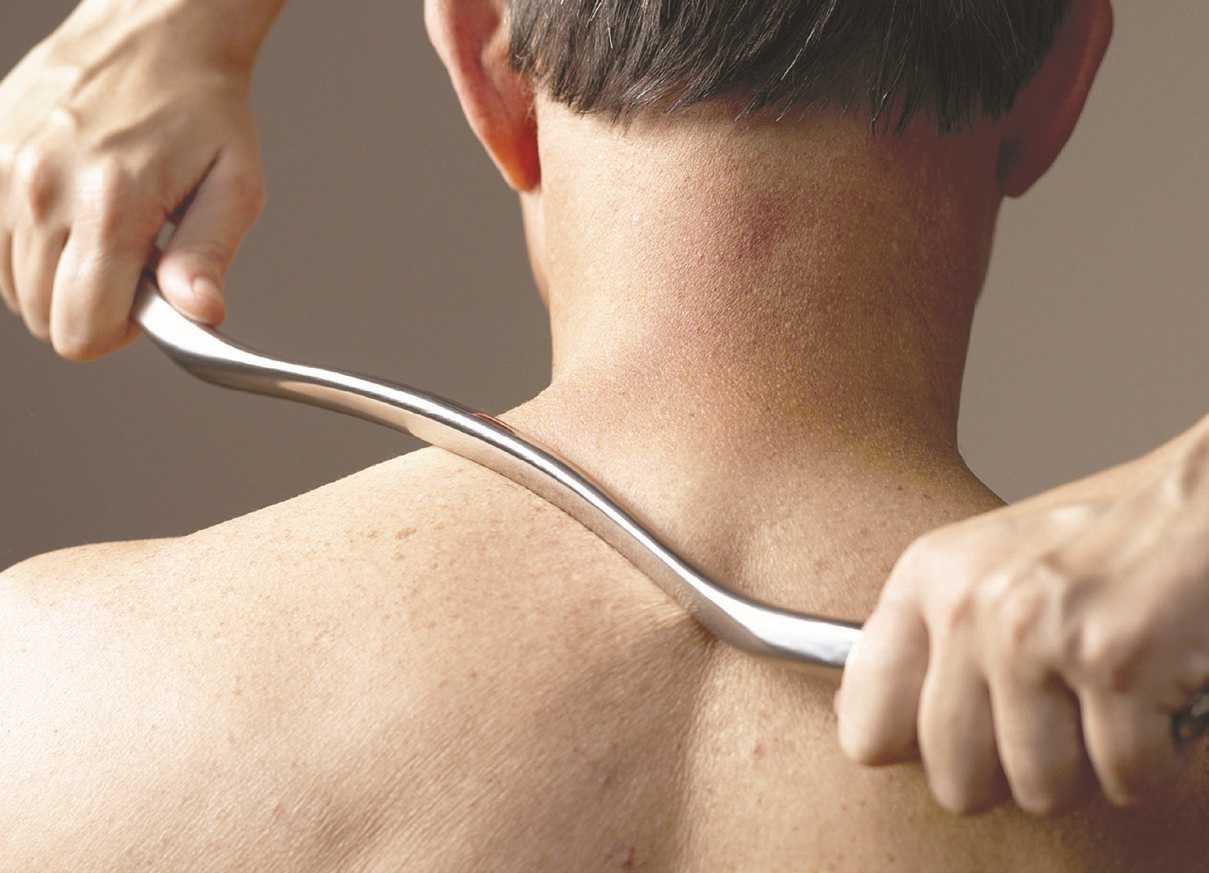
Instrument-Assisted Soft Tissue Mobilization (IASTM) (aka scraping) is a form of manual therapy used in physical therapy to treat soft tissue injuries and dysfunctions. It involves using specialized tools made from materials like stainless steel, plastic, or ceramic to apply targeted pressure to muscles, tendons, and fascia to break down scar tissue, reduce muscle tension, and promote healing.
Therapists use scraping to apply controlled microtrauma to the soft tissues, which:
- Stimulates a localized inflammatory response.
- Increase blood flow to the area.
- Promote the body’s natural healing process by triggering tissue remodeling and regeneration.
Common Conditions Treated with Scraping:
Tendinitis, plantar fasciitis, carpal tunnel syndrome, muscle and ligament sprains, shin splits, scar tissue and fascial adhesions, chronic low back pain and more.
Benefits of Scraping in Physical Therapy
- Improves Tissue Mobility: Breaks down scar tissue and adhesions that restrict movement and cause pain.
- Pain Relief: By releasing tension in muscles and improving blood circulation, scraping can reduce pain in injured areas.
- Neurological Benefits: The technique may also influence how the nervous system perceives pain, sometimes reducing sensitivity in sore muscles
- Enhanced Healing: Promotes tissue regeneration by stimulating blood flow, which brings essential nutrients to the affected area.
- Increased Range of Motion: Mobilizing tight muscles and soft tissues can lead to improved flexibility and range of motion, which is crucial for athletes and those recovering from injury.
Is scraping painful? Scraping can cause some discomfort during and after treatment, but it is generally well-tolerated by most patients. The discomfort is like getting a deep tissue massage and depends on several factors, such as the condition being treated, the intensity of the therapy, and the patient’s pain tolerance. Communication with your Physical Therapist is key.
Scraping is an effective, evidence-based technique in physical therapy that enhances healing and recovery. Its benefits, such as improving mobility, reducing pain, and promoting faster recovery, make it an excellent option for a wide range of musculoskeletal conditions.